



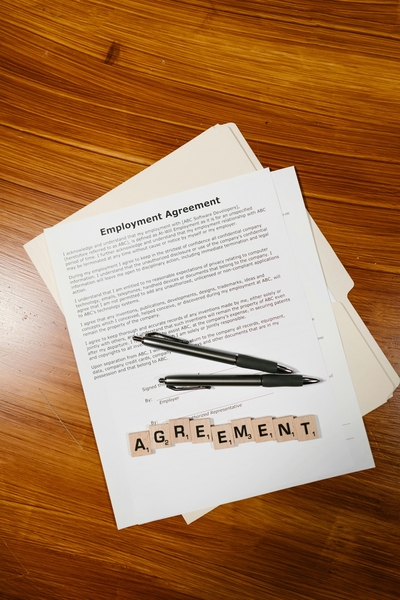
Been Given a New Employment Contract? Know Your Rights Before You Sign
Monday 8th June 2026
Marriam Sohail (Solicitor)
Been Given a New Employment Contract? Know Your Rights Before You Sign
Being presented with a new employment contract can be unsettling, particularly where the terms differ from what you originally agreed. Many employees are left wondering whether they must sign, what happens if they refuse and how far an employer can legally go to enforce changes.
Understanding your rights before making any decision is essential.
What Is an Employment Contract?
An employment contract is a legally binding agreement between an employer and an employee. It sets out the terms and conditions of employment, including pay, working hours, duties, holiday entitlement, notice periods and workplace policies.
Some terms are written down, while others may be implied through consistent workplace practice. However, a written contract remains the clearest record of agreed terms.
In the UK, employers are required to provide a written statement of employment particulars on or before the first day of employment.
Why Might You Be Asked to Sign a New Contract?
Employers may introduce revised contracts for a variety of reasons, including:
- Business restructuring or organisational change
- Updates to company policies or legal requirements
- Changes to job role, responsibilities, or seniority
- Relocation or adjustments to working patterns
While employers can propose changes, they cannot usually enforce new terms without agreement.
Do You Have to Sign a New Contract?
In most cases, employees are not legally required to sign a new contract.
If you do not agree with the proposed changes, you have the right to refuse. However, your employer will then need to decide how to proceed, which may include:
- Continuing your employment under existing terms
- Entering into further negotiation
- In some cases, terminating your contract and offering re-employment on new terms (fire and rehire)
Even where dismissal is considered, employers must follow a fair process and demonstrate a valid business reason.
What Is Fire and Rehire?
Fire and rehire refers to a situation where an employer ends an existing employment contract and offers the employee a new one on revised terms.
While this approach is not automatically unlawful, it is closely scrutinised. Employers must act reasonably, consult properly and justify any changes based on genuine business needs. Failure to do so may result in legal claims such as unfair dismissal or breach of contract.
What Should You Check in a New Contract?
Before agreeing to any changes, it is important to carefully review the terms, particularly:
- Salary and bonus structure
- Working hours and flexibility requirements
- Changes to duties or job title
- Location or travel expectations
- Restrictive covenants (post-employment limitations)
- Notice periods and termination clauses
Even small amendments can have significant long-term consequences.
Could Refusing Lead to Legal Action?
Refusing to sign a new contract does not automatically mean misconduct or resignation.
However, if an employer believes there is a strong business reason for the change, they may attempt to enforce it through formal processes, which can include dismissal and re-engagement. In such cases, employees may have legal protection depending on how the process is handled.
Constructive Dismissal Considerations
If changes are imposed without agreement and significantly breach the existing contract, an employee may consider whether they have grounds for constructive dismissal.
This occurs when an employee resigns due to a serious breach by the employer. These claims are complex and require careful legal assessment before any decision is made to resign.
Collective Consultation Requirements
Where 20 or more employees are affected by proposed changes or potential dismissal and rehire processes, employers may be required to carry out collective consultation.
Failure to comply with these obligations can result in financial penalties and tribunal claims.
What You Should Do If You Receive a New Contract
If you are given a revised contract, consider the following steps:
- Take time to review it carefully
- Ask questions about anything unclear
- Keep a record of discussions with your employer
- Avoid feeling pressured into immediate signing
- Seek legal advice before making a decision
Final Thoughts
Every employment situation is different. Some contract changes may be minor or beneficial, while others can significantly affect your rights and job security.
The key is to understand exactly what is being changed before you agree to anything.
Need Advice?
If you have been asked to sign a new employment contract and are unsure about your rights, professional advice can help you make an informed and confident decision.
Contact Hilltop Solicitors today for clear, practical guidance on your situation.
Disclaimer: This article is for general information purposes only and does not constitute legal advice. Employment law can vary depending on individual circumstances. You should seek tailored legal advice before taking or refraining from any action based on the information provided.